Exploring the world of furry art through manga styles is gaining popularity, with resources like “How to Draw Manga Furries” offering guidance․
PDF guides and online communities provide valuable learning opportunities for both beginners and experienced artists seeking to refine their skills․
Discover techniques from professional Japanese artists to bring dynamic, anthropomorphic fantasy characters to life, whether digitally or traditionally․
What are Manga Furries?
Manga furries represent a captivating fusion of Japanese manga aesthetics and anthropomorphic animal characters, blending human and animal traits․
These characters, often found within vibrant online communities, showcase diverse species like cats, dogs, foxes, and even mythical creatures, brought to life through artistic expression․
Resources like “How to Draw Manga Furries” delve into the creation of these beings, offering insights into anatomy, design, and rendering techniques․
PDF guides and online forums serve as hubs for artists to share their work, exchange knowledge, and explore the boundless creativity within the furry fandom․
They are dynamic fantasy characters!
Why Draw Manga Furries?
Drawing manga furries unlocks a realm of creative freedom, allowing artists to explore unique character designs and expressive storytelling․
The appeal lies in the ability to blend animalistic charm with human personality, resulting in compelling and relatable characters․
Resources like “How to Draw Manga Furries” empower artists with the skills to bring these visions to life, fostering artistic growth and experimentation․
PDF guides and online communities provide inspiration, feedback, and a supportive environment for artists to hone their craft and share their passion․
It’s a fun and expressive art form!
Essential Tools and Materials
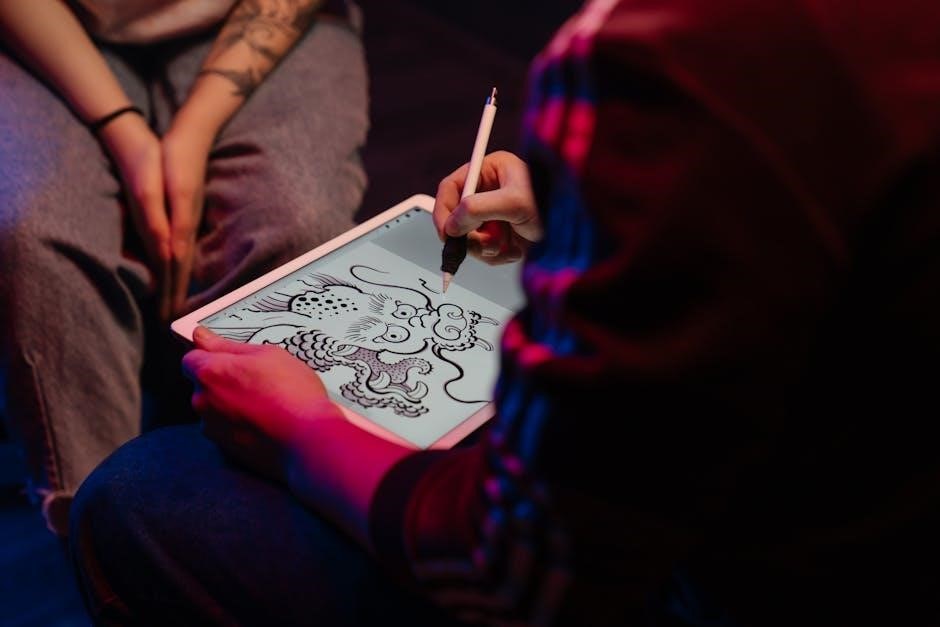
Digital artists need software and tablets, while traditionalists require paper, pencils, and potentially inks․
“How to Draw Manga Furries” can be utilized with either approach, adapting to your preferred medium․
Digital vs; Traditional Art Supplies
Choosing between digital and traditional methods depends on your preference and workflow․ Digital art offers undo options, layers, and easy color adjustments, requiring a tablet, stylus, and software like Clip Studio Paint or Photoshop․
Traditional art provides a tactile experience with pencils, paper, and inks, fostering a unique aesthetic․
Resources like “How to Draw Manga Furries” are applicable to both, focusing on fundamentals․
Consider your budget and desired style when selecting supplies; both paths yield stunning furry artwork․
Experimentation is key to discovering what best suits your artistic vision․
Recommended Software for Digital Art
For digital furry art, several software options cater to diverse needs․ Clip Studio Paint is popular for its manga-focused tools and natural brush feel, often recommended alongside “How to Draw Manga Furries” resources․
Adobe Photoshop offers robust editing capabilities and a wide range of brushes, ideal for detailed rendering․
Procreate (iPad only) is a powerful, intuitive option for on-the-go artists․
Krita is a free, open-source alternative with impressive features․
Experiment with trials to find the software that best complements your style․
Paper and Pencil Recommendations
Traditional artists starting with “How to Draw Manga Furries” should select appropriate tools․ Smooth Bristol paper is excellent for clean lines and detailed work, minimizing bleed-through․
Sketchbooks with heavier weight paper are suitable for practice and experimentation․
For pencils, a range from 2H to 6B provides versatility – harder leads for light sketching, softer for darker shading․
Mechanical pencils offer consistent line width․
Kneaded erasers are ideal for lifting graphite without damaging the paper․
Understanding Anatomy for Furries
Mastering mammalian anatomy is crucial when drawing furries, as detailed in guides like “How to Draw Manga Furries”․
Adapt this knowledge for anthropomorphism, noting key differences between species for believable character designs․
Basic Mammalian Anatomy
A solid foundation in mammalian anatomy is paramount for creating convincing furry characters․ Resources like “How to Draw Manga Furries” emphasize understanding skeletal structures and muscle groups․
Focus on the ribcage, pelvis, and spine as core elements, influencing posture and movement․ Study limb proportions and joint placement across various mammals․
Pay attention to muscle flow, even when stylizing for a manga aesthetic; this adds realism․ Understanding these basics, before anthropomorphizing, will elevate your furry artwork significantly․
Utilize anatomy references consistently to build a strong visual library․
Adapting Anatomy for Anthropomorphism
Transitioning from animal anatomy to anthropomorphism requires careful consideration․ “How to Draw Manga Furries” guides artists in adjusting skeletal structures for upright posture and human-like movement․
Lengthening the spine and modifying the pelvis are key adjustments․ Hands and feet often become more human-like, while retaining animalistic features like claws or paws․
Maintain balance and believability by ensuring the adapted anatomy supports the character’s weight and actions․ Study existing anthropomorphic designs for inspiration and anatomical consistency․
Subtle changes can dramatically impact the character’s personality․
Key Anatomical Differences Between Species
Understanding species-specific anatomy is crucial for believable furry designs․ “How to Draw Manga Furries” emphasizes variations in skeletal structure, musculature, and fur patterns․
Canines differ significantly from felines in skull shape, limb length, and paw structure․ Avian anatomy presents unique challenges with wings and hollow bones․
Reptilian and scaled creatures require attention to scale patterns and body temperature regulation․ Reference real animal anatomy to avoid common errors and create authentic designs․
Accurate anatomy enhances character believability․

Designing Your Furry Character
Character design blends animal and human traits, requiring balance and creativity․ Resources like “How to Draw Manga Furries” guide this process․
Explore keywords and associations to develop a unique personality and backstory for your anthropomorphic creation․
Balancing Animal and Human Features
Achieving a harmonious blend of animal and human characteristics is crucial for compelling furry designs․ “How to Draw Manga Furries” emphasizes this delicate balance, offering insights from experienced artists․
Consider the degree of anthropomorphism – how much human-like quality you want to impart․ Will your character be primarily animal with subtle human traits, or vice versa?
Focus on key anatomical areas like the face, hands, and posture․ Subtle adjustments can dramatically alter the overall impression, creating a believable and engaging character․
Utilize references from both animal and human anatomy to ensure accuracy and avoid awkward proportions, as suggested by available PDF guides․
Adding Movement to Your Character
Dynamic poses breathe life into your furry creations, moving beyond static illustrations․ Resources like “How to Draw Manga Furries” demonstrate techniques for conveying action and energy․
Study animal locomotion – how different species move – and adapt those principles to your character’s anatomy․ Observe references for realistic weight distribution and flow․
Utilize line of action, a conceptual line that defines the pose’s primary direction, to create a sense of momentum and fluidity․ PDF guides often illustrate this concept․
Consider clothing and accessories; how they interact with the pose and contribute to the overall impression of movement and personality․
Helpful Tips: A Unique Character Created with Keywords and Associations
Brainstorming with keywords is a powerful method for developing original furry characters․ Start with a list – “mysterious,” “forest,” “mechanical” – and let associations flow․
Combine animal traits with unexpected elements․ A wolf with bioluminescent markings, or a fox skilled in engineering, instantly become more intriguing․
“How to Draw Manga Furries” can inspire anatomical variations, but don’t be afraid to deviate․ PDF resources offer starting points, not rigid rules․
Develop a backstory that justifies the character’s unique features and informs their personality, adding depth and believability to your design․

Drawing Specific Animal Types
Explore diverse species like cats, dogs, foxes, and centaurs, utilizing “How to Draw Manga Furries” as a guide for anatomical structures․
PDF resources demonstrate anthropomorphism, blending animal and human features for compelling character designs․
Designing a Cat Character (Part I)
Begin with foundational anatomy, referencing “How to Draw Manga Furries” for feline skeletal and muscular structures, crucial for believable poses․
Focus on key features: ears, eyes, and tail – exaggerating or stylizing them to convey personality․ Consider fur patterns and textures, practicing rendering techniques found within the PDF guide․
Sketch initial forms lightly, building up details gradually․ Experiment with different cat breeds, adapting their unique characteristics into your manga style․ Utilize online references alongside the PDF for inspiration and accuracy․
Designing Dog Characters
Leverage anatomical studies from resources like “How to Draw Manga Furries” to understand canine proportions and muscle structure, vital for dynamic poses․
Explore breed diversity – from sleek Greyhounds to fluffy Samoyeds – adapting their distinct features into your character design․ Pay attention to ear shape, snout length, and tail carriage․
Experiment with fur textures, utilizing rendering techniques detailed in the PDF guide․ Consider personality through facial expressions and body language, referencing online communities for inspiration․
Designing a Cat Character (Part II — Human-like Creatures)
Transitioning to anthropomorphism requires careful consideration of feline anatomy, as detailed in “How to Draw Manga Furries”․ Focus on maintaining grace and agility in your character’s humanoid form․
Incorporate cat-like features – ears, tails, and subtle facial markings – to emphasize their animal heritage․ Experiment with clothing that complements their physique and personality․
Utilize PDF references for pose and expression guidance, and seek inspiration from online furry art communities to refine your unique design․
Designing Werewolf Characters (Human-like Creatures)
Werewolf designs blend human and canine traits, demanding a strong understanding of both anatomies, as explored in resources like “How to Draw Manga Furries”․ Emphasize powerful musculature and a slightly elongated snout for a bestial appearance․
Consider varying degrees of transformation – from subtle changes to full wolf forms – and incorporate fur patterns that reflect their wild nature․
PDF guides can aid in dynamic posing, and online communities offer inspiration for unique werewolf character concepts․
Designing a Fox Character (Expressing Anthropomorphism)
Foxes offer elegant designs, perfect for showcasing anthropomorphism․ Resources like “How to Draw Manga Furries” highlight the importance of balancing animal and human features – consider pointed ears, a fluffy tail, and a refined muzzle․
Express personality through facial expressions and body language, referencing anatomy guides for realistic movement․ PDFs can demonstrate fur texture and rendering techniques․
Online forums provide inspiration for unique fox character designs and cultural integration․
Designing a Centaur Character
Centaur designs blend human and animal anatomy, demanding careful consideration of proportion and balance․ “How to Draw Manga Furries” can offer foundational guidance, though adaptation is key․
Focus on a seamless transition between the human torso and the equine body, utilizing anatomical references for realistic muscle structure․ PDF resources can illustrate equine anatomy specifically․
Explore unique cultural elements and lifestyles for your centaur character, drawing inspiration from online communities and fantasy art․
Character Design & Lifestyle
Developing a compelling furry character extends beyond appearance; consider their lifestyle and culture, enriching their story․ PDF guides can inspire world-building!
Explore unique cultures within your furry world, fostering depth and originality for your character’s narrative․
Establishing the Anthropomorphic Character’s Lifestyle
Defining a character’s daily life is crucial for believability․ Consider their occupation, hobbies, and social interactions within their world․ “How to Draw Manga Furries” resources can spark ideas for unique settings and roles․
Think about their environment – do they live in a bustling city, a serene forest, or a futuristic metropolis? This impacts their clothing, habits, and overall demeanor․ PDF guides often showcase diverse character scenarios․
Explore their motivations and goals․ What drives them? What challenges do they face? A well-defined lifestyle adds depth and resonance to your furry character’s design․
Developing a Unique Culture for Your Furry World
Building a compelling world requires more than just characters; it needs a distinct culture․ Consider societal norms, traditions, and belief systems specific to your furry inhabitants․ Resources like “How to Draw Manga Furries” can inspire world-building elements․
Think about the history of this world – what events shaped its current state? PDF guides often demonstrate how cultural details influence character design and storytelling․
Establish unique customs, art forms, and even languages․ A richly developed culture adds depth and immersion, making your furry world truly unforgettable․
Advanced Techniques
Mastering fur texture, dynamic poses, and expressions elevates your artwork․ “How to Draw Manga Furries” provides insights into rendering and detailed character design․
Explore clothing and accessories to further personalize your furry creations, enhancing their unique style and narrative․
Fur Texture and Rendering
Achieving realistic fur requires understanding layering and directional strokes․ “How to Draw Manga Furries” demonstrates techniques for varying line weight and utilizing shading to create depth․
Experiment with different brushes in digital art software to simulate various fur types – short, long, fluffy, or sleek․ Consider the light source and how it interacts with the fur strands․
Rendering involves building up tones gradually, starting with base colors and adding highlights and shadows․ Pay attention to the fur’s flow and how it conforms to the character’s anatomy․
Utilize blending modes and texture overlays for added realism and visual interest, enhancing the overall quality of your furry artwork․
Clothing and Accessories for Furries
Designing attire for furries presents unique challenges due to their anatomy․ Consider how clothing drapes and interacts with fur, avoiding awkward clipping or unrealistic fits․
“How to Draw Manga Furries” can offer inspiration for adapting human clothing styles to fit furry characters, often requiring modifications to accommodate tails, ears, and snouts․
Accessories like jewelry, belts, and pouches can enhance a character’s personality and backstory․ Pay attention to scale and proportion, ensuring they complement the furry’s overall design․
Experiment with fantasy elements and unique materials to create visually striking outfits that reflect the character’s world and individual style․
Dynamic Poses and Expressions
Bringing furry characters to life requires mastering dynamic poses and expressive faces․ Study anatomy references to understand how muscles and joints move, even with animalistic features;
“How to Draw Manga Furries” likely demonstrates pose construction and conveying emotion through facial expressions, adapting human techniques for furry anatomy․
Exaggerate poses to emphasize action and personality, utilizing strong lines of action and clear silhouettes․ Consider the character’s species and build when choosing poses․
Facial expressions should be readable and convey genuine emotion, utilizing ears, tails, and snouts alongside traditional facial cues․

Finding Resources and References
Locate valuable learning tools like “How to Draw Manga Furries” in PDF format, alongside thriving online communities and forums for artists․
Explore anatomy references and eBooks to enhance your skills and connect with fellow furry art enthusiasts for support and inspiration․
Utilizing Anatomy References
Mastering furry anatomy requires diligent study, and resources like “How to Draw Manga Furries” provide a foundation, though deeper anatomical understanding is crucial․
Before investing in guides, ensure a basic grasp of animal and human anatomy; references are best utilized when you already possess fundamental drawing skills․
PDFs and online resources offer visual aids, but actively studying skeletal and muscular structures will significantly improve your character designs and proportions․
Don’t solely rely on guides – observe real animals, practice sketching from life, and build a personal library of anatomical references for diverse species․
Online Communities and Forums
Engaging with online communities is invaluable for furry artists, offering spaces for feedback, collaboration, and learning – a place for both beginners and experts․
Forums and platforms dedicated to manga and furry art provide opportunities to share work, receive critiques, and discover new techniques and resources․
PDF guides, like “How to Draw Manga Furries”, can be shared and discussed within these groups, fostering a collaborative learning environment․
Active participation in these communities accelerates skill development and provides inspiration, alongside access to a wealth of shared knowledge․
PDF Guides and eBooks (e․g․, “How to Draw Manga Furries”)
Dedicated PDF guides and eBooks, such as “How to Draw Manga Furries”, offer structured learning for aspiring artists, covering anatomy and character design․
These resources often feature detailed illustrations and step-by-step instructions, guiding users through the process of creating dynamic furry characters․
While some guides focus on anatomy as a foundation, others delve into specific animal types and anthropomorphic adaptations․
Supplementing practice with these resources can significantly enhance skills, providing a solid base for artistic exploration․
Common Mistakes to Avoid
Avoid overly complex designs and proportion issues when starting; focus on foundational anatomy before attempting intricate details․
Insufficient anatomical understanding hinders believable character creation, so utilize references and practice consistently․
Proportions and Perspective Issues
Maintaining accurate proportions is crucial when drawing manga furries, especially blending animal and human forms․ Incorrect limb lengths or body scaling can quickly detract from the character’s believability․
Perspective errors, such as inconsistent vanishing points, can flatten the artwork and diminish depth․ Study basic perspective principles and apply them consistently to create dynamic poses․
Referencing anatomical guides, like those found in “How to Draw Manga Furries,” helps establish a solid foundation․ Practice sketching from multiple angles to internalize correct proportions and perspective․
Overly Complex Designs
Resisting the urge to add excessive detail is vital for a clean and appealing furry design․ Too many patterns, markings, or accessories can overwhelm the viewer and obscure the character’s form․
Simplicity often enhances impact; focus on key features that define the character’s personality and species․ “How to Draw Manga Furries” emphasizes building a strong base before layering details․
Prioritize readability – ensure the design remains clear even in dynamic poses․ Start with a streamlined silhouette and gradually add complexity, always evaluating the overall balance․
Lack of Anatomical Understanding
A solid grasp of anatomy is foundational for believable furry characters․ Ignoring underlying skeletal and muscular structures results in stiff, unnatural poses and proportions․
Resources like “How to Draw Manga Furries” highlight the importance of studying mammalian anatomy as a base for anthropomorphism․ Utilize anatomy references consistently, even for stylized designs․
Understanding how animal anatomy differs from human anatomy is crucial for successful integration․ Avoid simply “drawing a human with animal ears”; strive for genuine anatomical accuracy․

Putting it All Together: A Step-by-Step Example
Begin with a basic sketch, refining forms and details gradually․ “How to Draw Manga Furries” guides this process, building from simple shapes to finished artwork․
Sketching the Basic Form
Start with light, flowing lines to establish the overall pose and proportions of your furry character․ Think of constructing the form using simple shapes – circles, ovals, and cylinders – as a foundation․
Reference anatomy guides, like those found within “How to Draw Manga Furries,” to ensure believable structure, even with anthropomorphic features․
Don’t focus on details yet; prioritize capturing the gesture and energy of the pose․ Gradually refine the shapes, adding volume and defining key landmarks․ This initial sketch serves as the blueprint for your artwork, so keep it flexible and adaptable․
Adding Details and Refinements
Once the basic form is solid, begin layering in details like facial features, fur patterns, and clothing․ Utilize references from “How to Draw Manga Furries” for inspiration and anatomical accuracy․
Pay attention to fur direction and texture, using varied line weights to create depth and realism․ Refine the contours, adding subtle curves and details to enhance the character’s personality․
Gradually build up shading to define form and create a sense of volume․ Remember to maintain a balance between detail and simplicity, ensuring the artwork remains visually appealing․
Finalizing the Artwork
With details refined, focus on polishing the overall image․ Review proportions and perspective, making final adjustments as needed․ Consider adding a background or simple environment to contextualize the character․
Enhance the artwork with final touches like highlights, shadows, and color adjustments․ Resources like “How to Draw Manga Furries” can guide color palettes and rendering techniques․
Ensure clean lines and a cohesive aesthetic․ Save the artwork in a high-resolution format suitable for sharing or printing, celebrating your completed furry manga creation!