The DViajeros form is a mandatory online requirement for all travelers entering Cuba‚ streamlining the arrival process and enhancing the visitor experience․
What is the DViajeros Form?
This digital form‚ accessible via the official Cuban government website‚ collects essential traveler information‚ including health declarations and customs details‚ for efficient processing․
Purpose of the Form: Facilitating Travel to Cuba
Its primary goal is to simplify border control procedures‚ ensuring a smoother and more organized entry for international visitors arriving in the Republic of Cuba․
Official Website and Access: dviajeros․mitrans․gob․cu
Travelers can exclusively access and complete the DViajeros form online at dviajeros․mitrans․gob․cu‚ ensuring a fully digital submission process before departure․
The DViajeros form represents Cuba’s modernized approach to traveler entry requirements‚ functioning as a comprehensive digital declaration․ It’s not merely a visa application‚ but a crucial document encompassing health screenings and customs declarations․ This online form‚ officially launched to enhance travel efficiency‚ gathers vital information from visitors before their arrival․
Essentially‚ it’s a digital passenger manifest‚ replacing traditional paper-based processes․ The form requests details about your travel itinerary‚ current health status‚ and any items you are bringing into the country; Completing it generates a unique QR code‚ essential for presentation to immigration officials upon landing in Cuba․ It’s a key component of a seamless entry experience․
The DViajeros form serves a vital purpose: to significantly streamline the arrival process for all international travelers visiting Cuba․ By collecting essential information digitally before travel‚ it reduces congestion at immigration checkpoints and accelerates border control procedures․ This proactive approach enhances the overall visitor experience‚ making entry into Cuba more efficient and organized․
Furthermore‚ the form aids Cuban authorities in monitoring public health and enforcing customs regulations․ It allows for a quicker assessment of potential health risks and ensures compliance with import/export laws․ Ultimately‚ the DViajeros form aims to balance traveler convenience with national security and public safety․
Accessing the DViajeros form is exclusively done online through the official Cuban government website: dviajeros․mitrans․gob․cu․ It’s crucial to utilize this official portal to avoid fraudulent websites and ensure your information is securely submitted․ The form is not available in physical format or through any other channels․
Travelers should ensure they have a stable internet connection and a compatible device (computer‚ tablet‚ or smartphone) to complete the form․ The website is designed to be user-friendly‚ but assistance resources are available if needed; Remember‚ completing the form must be done online within the specified timeframe․
When to Complete the DViajeros Form
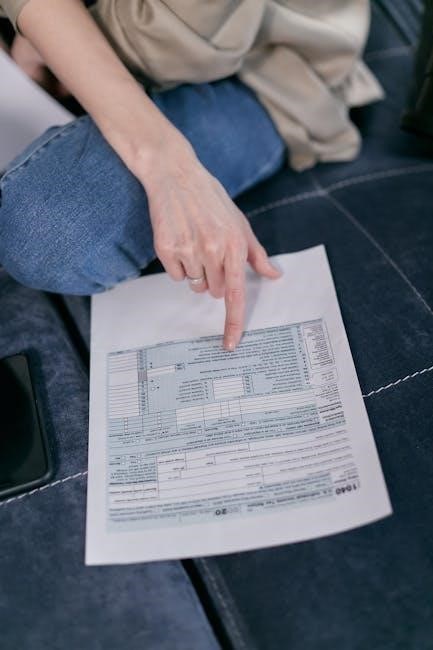
Timing is critical; the DViajeros form must be completed within 7 days of your departure date for Cuba‚ but not before that window opens․
The 7-Day Window: Timing is Crucial
You can only access and submit the form once you are within this 7-day period before your scheduled arrival in Cuba‚ ensuring up-to-date information․
Consequences of Early or Late Submission
Submitting the form outside this timeframe may result in rejection‚ potentially delaying or preventing your entry into Cuba‚ so plan accordingly․
Form Availability: Online Access Only
The DViajeros form is exclusively available online; there are no offline options‚ emphasizing the need for internet access before travel․
The DViajeros form operates within a strict 7-day timeframe‚ calculated from your scheduled departure date to Cuba․ This isn’t a suggestion‚ but a firm requirement enforced by Cuban immigration authorities․ Access to the online form is only granted once you fall within this window‚ preventing premature submissions with potentially outdated information․
Attempting to complete the form earlier will result in an inaccessible link‚ while waiting beyond the 7-day mark could lead to complications upon arrival․ This system ensures the information provided reflects your current health status and travel plans immediately before entering the country․ Therefore‚ meticulous planning is essential to avoid last-minute stress and potential travel disruptions․ Remember to check the website within that timeframe!
Submitting the DViajeros form outside the 7-day window carries significant risks․ Attempting completion too early will simply deny you access to the online portal‚ as the system blocks submissions made more than seven days before departure․
Conversely‚ a late submission could result in delays upon arrival in Cuba‚ potentially leading to questioning by immigration officials or even denied entry․ While not guaranteed‚ these are possible outcomes․ Having a completed form and QR code is vital for a smooth entry․ Therefore‚ prioritize completing the form within the designated timeframe to avoid unnecessary complications and ensure a hassle-free travel experience․
The DViajeros form is exclusively available online; there are no paper versions or alternative submission methods․ Travelers must utilize the official website‚ dviajeros․mitrans․gob․cu‚ to access and complete the required fields․
This digital-only approach streamlines the process and ensures data accuracy․ Attempting to obtain a physical copy or submit information through any other channel will be unsuccessful․ Ensure you have reliable internet access during the 7-day window prior to departure to complete the form and receive your essential QR code․ This online accessibility is a core component of the Cuban travel protocol․

Required Information for the DViajeros Form
Completing the DViajeros form necessitates accurate passport details‚ comprehensive travel itinerary information‚ and honest responses to the current health questionnaire․
Passport Details: Accurate Information Needed
Provide your full name‚ passport number‚ expiry date‚ and nationality exactly as they appear in your passport for seamless processing․
Travel Itinerary: Flight and Accommodation Details
Input your flight number‚ arrival/departure dates‚ and addresses of all accommodations booked during your stay in Cuba․
Health Questionnaire: Current Health Status
Answer truthfully regarding your current health condition‚ including any symptoms or potential exposure to infectious diseases․
Providing precise passport information is paramount when completing the DViajeros form․ The system requires your full legal name‚ mirroring the details printed directly on your passport’s data page․ Ensure the passport number is entered correctly‚ character for character‚ avoiding any transcription errors․
Accurately state your nationality as it’s officially recognized‚ and input your passport’s expiration date with meticulous attention to detail․ Any discrepancies between the information provided on the form and your actual passport could lead to delays or complications upon arrival in Cuba․ Double-check all entries before submitting to guarantee a smooth entry process․
Remember‚ this information is crucial for verifying your identity and travel authorization․
The DViajeros form necessitates comprehensive travel itinerary details․ You’ll need to input your flight number‚ airline‚ and precise arrival and departure dates and times․ Accuracy is vital; use the information directly from your airline ticket confirmation․
Furthermore‚ the form requires details regarding your accommodation in Cuba․ Provide the complete address of each hotel‚ casa particular‚ or lodging you plan to stay at during your visit․ Having confirmation details readily available will expedite the process․
This information assists Cuban authorities in tracking traveler movements and ensuring a secure and organized tourism experience․
A crucial component of the DViajeros form is the health questionnaire․ Travelers must truthfully answer questions regarding their current health status‚ including any symptoms of illness‚ recent exposure to infectious diseases‚ and vaccination history․
This section aims to mitigate potential health risks and ensure the safety of both visitors and the Cuban population․ Honest responses are paramount‚ as inaccurate information could have serious consequences․
The questionnaire is periodically updated‚ so review it carefully upon form completion․ It’s a simple‚ yet vital‚ step in facilitating responsible travel to Cuba․
Step-by-Step Guide to Filling Out the Form
Completing the DViajeros form involves three key sections: personal details‚ travel information‚ and a health declaration‚ all submitted through the online portal․
Initial Page: Personal Information Section
Begin by accurately entering your passport details and personal information‚ ensuring consistency with your travel documents for a seamless process․
Travel Details Section: Inputting Flight Information
Provide precise flight numbers‚ arrival/departure dates‚ and accommodation details to facilitate efficient tracking and processing upon arrival in Cuba․
Health Declaration Section: Answering Health Questions
Honestly answer all health-related questions‚ detailing any symptoms or potential health concerns to support public health safety measures․
The first stage of the DViajeros form focuses on gathering your fundamental personal details․ You’ll be prompted to input information directly from your passport‚ so ensure accuracy is paramount․ This includes your full name (as it appears on your passport)‚ date of birth‚ place of birth‚ and nationality․
Crucially‚ you must provide your passport number and its expiration date․ Double-check these entries to avoid potential issues at immigration․ Additionally‚ you’ll need to supply your email address for receiving confirmation and any necessary updates regarding your submission․ Providing a valid email is essential for accessing your QR code․
Finally‚ you may be asked for your current address and contact number․ Completing this section thoroughly and accurately sets the foundation for a smooth form completion process․
Following the personal information section‚ the DViajeros form requires comprehensive details about your travel arrangements․ You’ll need to accurately input your flight number‚ airline name‚ and the city of origin for your journey to Cuba․ Precise details are vital for matching your travel plans with immigration records․
Furthermore‚ you must specify your arrival date and time in Cuba․ It’s crucial to ensure this information aligns perfectly with your confirmed flight schedule․ The form also requests details regarding your accommodation in Cuba‚ including the name and address of your hotel or lodging․
Having your booking confirmations readily available will streamline this process‚ minimizing errors and ensuring a swift completion․
The Health Declaration section of the DViajeros form is a critical component‚ focusing on your current health status․ You will be asked a series of questions regarding potential COVID-19 symptoms‚ such as fever‚ cough‚ or difficulty breathing․ Honest and accurate responses are essential for public health safety․
The form may also inquire about pre-existing medical conditions or recent exposure to infectious diseases․ It’s important to answer truthfully‚ as this information assists Cuban health authorities in implementing appropriate preventative measures․
Be prepared to disclose any recent travel history that might be relevant to your health assessment․

Customs Declaration Section
The Customs Declaration is integrated into the DViajeros form‚ requiring travelers to declare any items they are bringing into Cuba‚ adhering to regulations․
Declaring Items: Rules and Regulations
Accurately listing all goods‚ including gifts‚ is crucial for compliance with Cuban customs laws and to avoid potential penalties upon arrival․
Prohibited Items: What Not to Bring
Certain items are restricted or prohibited‚ such as weapons‚ illegal drugs‚ and specific agricultural products; familiarize yourself with the current list․
Currency Declaration: Limits and Requirements
Declare any currency exceeding the allowed limit‚ as Cuban customs has specific regulations regarding the import and export of funds․
Accurate declaration of all items brought into Cuba via the DViajeros form is paramount․ This includes personal belongings‚ gifts‚ and any goods intended for commercial purposes․ Failure to declare items can result in fines‚ confiscation‚ or other legal repercussions․
Cuban customs regulations dictate specific allowances for certain goods‚ such as alcohol and tobacco․ Exceeding these limits may incur duties or taxes․ It’s essential to understand these rules beforehand to avoid complications․ The form requires detailed descriptions of each item‚ including its value․
Honesty and transparency are key; providing false or misleading information can lead to serious consequences․ Keep receipts or documentation for valuable items to support your declarations․
Certain items are strictly prohibited from entry into Cuba‚ and attempting to bring them may lead to severe penalties․ These include firearms‚ ammunition‚ explosives‚ and illegal narcotics․ Importing certain agricultural products is also restricted to prevent the spread of pests and diseases․
Large sums of undeclared currency may also be subject to confiscation․ It’s crucial to review the complete list of prohibited items on the official Cuban customs website before travel․ The DViajeros form implicitly asks about these items‚ requiring a ‘no’ declaration․
Bringing professional audio/video equipment for commercial purposes requires special authorization․
Cuba has specific regulations regarding currency declarations on the DViajeros form․ Travelers entering Cuba must declare any amount exceeding USD 5‚000 or its equivalent in other currencies․ Failure to declare can result in fines or confiscation of the undeclared funds․
While there isn’t a strict limit on the amount of currency you can bring‚ exceeding the declaration threshold necessitates accurate reporting on the form․ The form requires detailed information about the source of the funds․
It’s advisable to keep proof of currency exchange for verification purposes․

Receiving and Utilizing the QR Code
Upon successful form submission‚ a unique QR code is generated‚ essential for a swift immigration process upon arrival in Cuba․
QR Code Generation: After Form Submission
The QR code is instantly available after completing and submitting the DViajeros form online‚ confirming your information has been received․
Presenting the QR Code to Immigration
Immigration officers in Cuba will scan this QR code from your phone or a printed copy to verify your details efficiently․
Email Confirmation: Backup and Verification
You’ll also receive an email containing the QR code as a backup‚ providing an additional verification method during your Cuban entry․
Following the complete and accurate submission of the DViajeros form online‚ the system automatically generates a personalized QR code․ This digital code serves as your electronic travel authorization for entry into Cuba‚ replacing traditional paper-based forms․ The QR code is immediately displayed on your screen‚ allowing for a quick screenshot or download for easy access․
It’s crucial to ensure the QR code is clear and scannable‚ whether presented digitally on your smartphone or as a printed copy․ This unique identifier contains all the information you provided during the form completion process‚ streamlining the immigration procedure upon arrival․ The generation of this QR code confirms that your details have been successfully registered with Cuban authorities․
Upon arrival at Cuban immigration‚ be prepared to present your DViajeros QR code to the immigration officer․ This is a critical step in the entry process‚ allowing officials to quickly verify your travel authorization and submitted information․ The QR code can be displayed directly from your smartphone screen or presented as a printed copy – both formats are generally accepted․
Ensure the code is easily visible and scannable by the officer’s device․ Having it readily available will expedite your passage through immigration․ Remember‚ the QR code is proof of your completed health declaration and customs information‚ so its presentation is mandatory for all travelers entering Cuba․
Following successful submission of the DViajeros form‚ you will receive a confirmation email from the Cuban government․ This email serves as a vital backup and verification of your completed application․ It is strongly recommended to save this email‚ either by printing a copy or storing it digitally on your phone or other device․
The email contains a record of the information you provided and often includes a copy of your generated QR code․ Should you encounter any issues with accessing your QR code later‚ this email provides a readily available alternative for presentation to immigration officials․

Troubleshooting Common Issues
Encountering difficulties? Common problems include website errors‚ incorrect information submitted‚ or a lost QR code – solutions are readily available online․
Technical Difficulties: Website Errors
Occasionally‚ the DViajeros website may experience technical glitches or errors․ If this happens‚ try refreshing the page or accessing it later․
Incorrect Information: Editing the Form
If you realize you’ve made a mistake‚ you can edit the form before final submission; however‚ changes may be limited after completion․
Lost QR Code: Re-accessing the Form
Should you lose your QR code‚ you can re-access the form using your passport details and resubmit to generate a new one․
Experiencing frustrating technical issues while completing the DViajeros form? It’s not uncommon for government websites to occasionally encounter glitches or experience temporary outages‚ especially during peak travel seasons․ If you find the site is unresponsive‚ displaying error messages‚ or loading slowly‚ don’t panic!
First‚ ensure your internet connection is stable․ Try refreshing the page multiple times․ Clearing your browser’s cache and cookies can also resolve many common website problems․ If the issue persists‚ attempt accessing the form using a different web browser or device․
Remember‚ the form is only available online‚ so a reliable internet connection is crucial․ If problems continue‚ consider waiting a few hours and trying again later‚ as the issue might be temporary server overload․
Made a mistake while filling out your DViajeros form? It’s understandable‚ and thankfully‚ corrections are usually possible! The system generally allows you to edit your submission before final confirmation․ Locate the “Edit Form” or similar option within your account on the dviajeros․mitrans․gob․cu website․
Carefully review all sections‚ paying close attention to passport details‚ flight information‚ and health declarations․ Ensure all data matches your travel documents exactly․ Save your changes frequently during the editing process․
However‚ be aware that there might be limitations on how many times you can modify the form‚ so double-check everything before submitting!
Misplaced your DViajeros QR code? Don’t panic! The Cuban government anticipates this happening․ The most reliable solution is to re-access the form through the official website‚ dviajeros․mitrans․gob․cu‚ using the same email address and passport details you initially used for registration․
The system should allow you to retrieve your completed form and generate a new QR code․ Additionally‚ check your email inbox (and spam folder!) for the confirmation email sent after your initial submission – it often contains a copy of the QR code․
Having both options ensures a smooth entry process․

Important Considerations for Travelers
Reliable internet access is crucial for form completion․ Assistance resources are available‚ and always retain a copy of your submitted form for verification purposes․
Internet Access: Ensuring Connectivity
Ensure stable internet before starting the form․
Form Completion Assistance: Available Resources
Seek help if needed; resources exist online․
Keeping a Copy of the Submitted Form
Save a digital or printed copy for your records․
Completing the DViajeros form necessitates a stable and reliable internet connection․ Given that the form must be submitted within the 7-day window prior to your departure to Cuba‚ procrastination can lead to stressful situations if connectivity issues arise․ It’s advisable to begin the process well within this timeframe‚ allowing ample opportunity to resolve any technical difficulties․
Consider utilizing a secure and dependable Wi-Fi network‚ or ensuring you have sufficient mobile data if relying on a cellular connection․ Public Wi-Fi hotspots can be unreliable and potentially insecure․ Prior planning and a proactive approach to internet access will significantly contribute to a smoother and less stressful travel experience‚ ensuring you can successfully submit the form and receive your essential QR code․
Navigating the DViajeros form can sometimes present challenges‚ and fortunately‚ several resources are available to assist travelers․ Websites like Cuba Unbound offer detailed‚ step-by-step guides‚ simplifying the process and clarifying any confusing sections․ These guides often include screenshots and explanations of each field‚ ensuring accurate completion․
Additionally‚ travel agencies specializing in Cuban travel frequently provide support to their clients‚ assisting with form completion and addressing specific concerns․ Don’t hesitate to reach out to these resources if you encounter difficulties․ Remember‚ accurate information is crucial‚ and seeking assistance is a proactive step towards a seamless entry into Cuba․
Maintaining a record of your completed DViajeros form is highly recommended throughout your travel journey․ Upon submission‚ the system generates a unique QR code and sends a confirmation email containing this code and form details․
Save both the email and a screenshot of the QR code on your phone and print a physical copy as a backup․ This provides redundancy in case of technical issues with your devices or internet access upon arrival in Cuba․ Having readily available documentation can expedite the immigration process and prevent potential delays‚ ensuring a smoother entry․

Updates and Changes to the DViajeros Form (as of 2025/2026)
Recent modifications to the health questionnaire and customs regulations have been implemented․ Staying informed about these changes is crucial for compliant travel to Cuba․
Recent Modifications to the Questionnaire
The health questionnaire has been updated as of October 2025‚ with potential additions regarding current health concerns and travel history details․
Changes in Customs Regulations
Customs regulations may have been revised‚ impacting declarations for items brought into Cuba․ Review the latest guidelines on the official website․
Future Updates: Staying Informed
Monitor dviajeros․mitrans․gob․cu for future updates and changes to ensure you have the most current information before your trip to Cuba․
As of October 2025‚ the DViajeros health questionnaire has undergone several key modifications designed to enhance the screening process for travelers entering Cuba․ These updates primarily focus on gathering more detailed information regarding potential health risks and recent travel history․
Specifically‚ the questionnaire now includes expanded sections concerning any pre-existing medical conditions‚ recent vaccinations‚ and exposure to infectious diseases․ Travelers should be prepared to provide comprehensive answers‚ as accurate information is vital for a smooth entry․
Furthermore‚ questions related to travel within the 14 days prior to arrival have been added‚ aiming to identify potential exposure risks․ It’s essential to review the updated questionnaire thoroughly on dviajeros․mitrans․gob․cu before completing the form․
Recent updates to Cuban customs regulations‚ integrated within the DViajeros form‚ necessitate careful attention from all incoming travelers․ While specific allowances can vary‚ generally‚ declaring currency exceeding USD 5‚000 is mandatory upon arrival․
Significant changes involve stricter scrutiny of imported goods‚ particularly regarding electronics‚ medications‚ and agricultural products․ Travelers should familiarize themselves with the prohibited items list‚ available on the dviajeros․mitrans․gob․cu website‚ to avoid potential confiscation or penalties․
Accurate completion of the customs declaration section within the DViajeros form is crucial for a seamless border crossing․ Failure to declare items truthfully may result in fines or legal repercussions․
The DViajeros form and associated regulations are subject to change‚ reflecting evolving Cuban policies and global health considerations․ Travelers are strongly advised to regularly check the official website‚ dviajeros․mitrans․gob․cu‚ for the most current version of the form and any updated guidelines․
Subscribing to travel advisories from your embassy or consulate can provide timely notifications regarding modifications to entry requirements․ Furthermore‚ reputable travel agencies specializing in Cuban travel‚ like Cuba Unbound‚ often publish updates and helpful information․
Proactive monitoring ensures compliance and prevents unexpected disruptions to your travel plans‚ guaranteeing a smoother entry into Cuba․
DViajeros Form and Visa Requirements
The DViajeros form is distinct from visa requirements; a Cuban visa (Tourist Card) remains necessary for most travelers‚ alongside completing the online form․
Relationship Between the Form and Cuban Visas
Completing the DViajeros form doesn’t replace or negate the need for a valid Cuban visa or Tourist Card for entry into the country․
Tourist Cards (Visa): Still Required?
Yes‚ generally‚ a Tourist Card is still required‚ but confirm current regulations based on your nationality before travel to Cuba․
Visa Application Process: A Brief Overview
Visas can be obtained through Cuban embassies‚ consulates‚ or authorized travel agencies; processing times vary‚ so apply well in advance․
It’s crucial to understand that the DViajeros form and a Cuban visa (often referred to as a Tourist Card) serve different‚ yet complementary‚ purposes for entry into Cuba․ The DViajeros form is a digital travel affidavit focusing on health and customs declarations‚ submitted within seven days of arrival․
Conversely‚ the visa establishes your legal right to enter Cuba based on your nationality and travel purpose․ Completing the DViajeros form does not grant you entry without a valid visa‚ and possessing a visa doesn’t exempt you from filling out the form․ Both are mandatory requirements‚ functioning as separate components of the immigration process․ Think of the visa as permission to enter‚ and the form as providing necessary details upon arrival․
Yes‚ despite the introduction of the DViajeros form‚ a Tourist Card (visa) remains a mandatory entry requirement for most nationalities traveling to Cuba for tourism․ This card serves as your official permission to enter the country‚ and must be obtained before your departure․
The DViajeros form is a separate‚ additional requirement focused on health and customs information․ Do not assume that completing the form negates the need for a valid Tourist Card․ You can typically purchase Tourist Cards through airlines‚ travel agencies‚ or Cuban consulates․ Ensure you have both documents readily available upon arrival to avoid any issues with immigration․
The Tourist Card (visa) application process is generally straightforward․ Most travelers can obtain a visa through their airline for an additional fee‚ often the most convenient option․ Alternatively‚ you can purchase it from a Cuban consulate or authorized travel agency․
Requirements typically include a valid passport (with at least six months of validity remaining)‚ a completed application form‚ and a photograph․ Processing times vary‚ so apply well in advance of your travel date․ Online applications are sometimes available‚ depending on your nationality․ Remember to keep your visa safe and accessible throughout your trip․