Guiding‚ originating from Old French and Germanic roots‚ involves leading or directing individuals – a practice evolving since the late Middle English period.
It encompasses escorting‚ showing the way‚ and providing direction‚ mirroring concepts like ‘taking’ and ‘ushering’ others from one location to another.
Modern guiding adapts to technological advancements‚ while maintaining core principles of leadership and safe passage‚ as seen in diverse applications today.
What is Guiding?
Guiding‚ at its essence‚ is the act of leading individuals or groups through an experience‚ offering expertise and ensuring safety. Rooted in the Old French verb “guider” and tracing back to Germanic origins‚ it’s more than simply showing the way; it’s about facilitating understanding and enjoyment.
The practice encompasses a broad spectrum of activities‚ from physically guiding someone on a hike – a modern interpretation of “going with somebody from one place to another” – to intellectually guiding them through a museum exhibit. It involves direction‚ escorting‚ and often‚ a degree of instruction.
Historically‚ the term implied conducting or leading‚ but today‚ it’s heavily associated with specialized knowledge. A guide doesn’t just point; they interpret‚ explain‚ and manage risks. Whether it’s a city tour‚ a mountaineering expedition‚ or even navigating online banking‚ guiding provides a structured and informed experience‚ ensuring a positive outcome for those being led.
It’s a profession built on trust and responsibility.
Historical Overview of Guiding
The concept of guiding‚ stemming from the late Middle English period and Old French “guider‚” has ancient roots. Historically‚ individuals relied on local experts – often those intimately familiar with terrain or customs – to navigate unfamiliar territories. These early guides weren’t simply showing routes; they were providing essential survival knowledge.
As travel evolved‚ so did the role of the guide. During the grand tours of the 18th and 19th centuries‚ guides accompanied wealthy Europeans‚ interpreting art‚ history‚ and culture. This marked a shift towards intellectual guidance. The rise of mountaineering in the Alps saw the emergence of specialized mountain guides‚ prioritizing technical skills and safety.

The 20th and 21st centuries witnessed further diversification‚ with guiding expanding into wildlife tourism‚ adventure sports‚ and even digital spaces like online banking assistance. Today‚ the profession blends traditional knowledge with modern techniques‚ adapting to evolving needs and technological advancements‚ while still retaining the core principle of safely leading others.
The Importance of a Good Guide
A proficient guide transcends simply showing a path; they are pivotal to a successful and enriching experience. Their expertise ensures safety‚ particularly in challenging environments like mountains or unfamiliar cities‚ mitigating risks through informed decision-making and emergency preparedness.
Beyond safety‚ a good guide enhances understanding. They interpret complex information – be it historical context‚ natural phenomena‚ or cultural nuances – transforming observation into genuine comprehension. Effective communication and interpersonal skills are crucial‚ fostering trust and engagement with those they lead.
Furthermore‚ a skilled guide anticipates needs‚ solves problems proactively‚ and adapts to changing circumstances. They embody leadership‚ managing groups effectively while respecting individual preferences. Ultimately‚ a good guide doesn’t just facilitate a journey; they curate a memorable and meaningful experience‚ leaving a lasting positive impact.
Types of Guiding
Guiding diversifies into outdoor adventures‚ cultural explorations‚ and specialized pursuits‚ encompassing hiking‚ city tours‚ fishing‚ and more – each demanding unique expertise.
These roles involve leading‚ directing‚ and ensuring safe‚ informative experiences tailored to specific environments and client interests.
Outdoor Guiding
Outdoor Guiding represents a significant facet of the guiding profession‚ deeply rooted in the act of leading individuals through natural environments. This encompasses a spectrum of disciplines‚ each requiring specialized knowledge and skills. Hiking and Trekking Guides expertly navigate trails‚ ensuring participant safety and enriching the experience with local flora‚ fauna‚ and geological insights.
Mountaineering Guides‚ however‚ operate in far more challenging terrain‚ demanding proficiency in rope work‚ glacier travel‚ and risk assessment. They lead climbers to summits‚ prioritizing safety amidst unpredictable conditions. Wildlife Guiding focuses on observing and interpreting animal behavior‚ requiring extensive knowledge of ecosystems and conservation principles.
Effective outdoor guides share a common thread: the ability to ‘guide’ – to direct‚ escort‚ and protect those under their care‚ mirroring the original meaning of the word. They are not merely pathfinders‚ but educators and stewards of the natural world‚ fostering appreciation and responsible interaction with the environment.
Hiking and Trekking Guides
Hiking and Trekking Guides embody the core principle of ‘guiding’ – leading individuals safely and informatively along established trails and through varied terrain. Their role extends beyond simply showing the way; they are interpreters of the natural world‚ sharing knowledge of local flora‚ fauna‚ and geological formations.
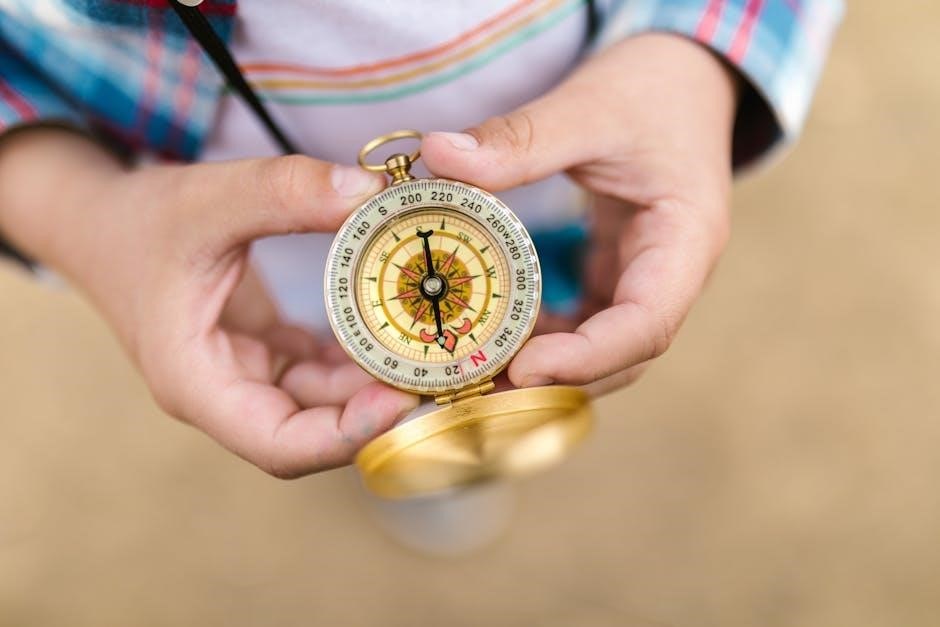
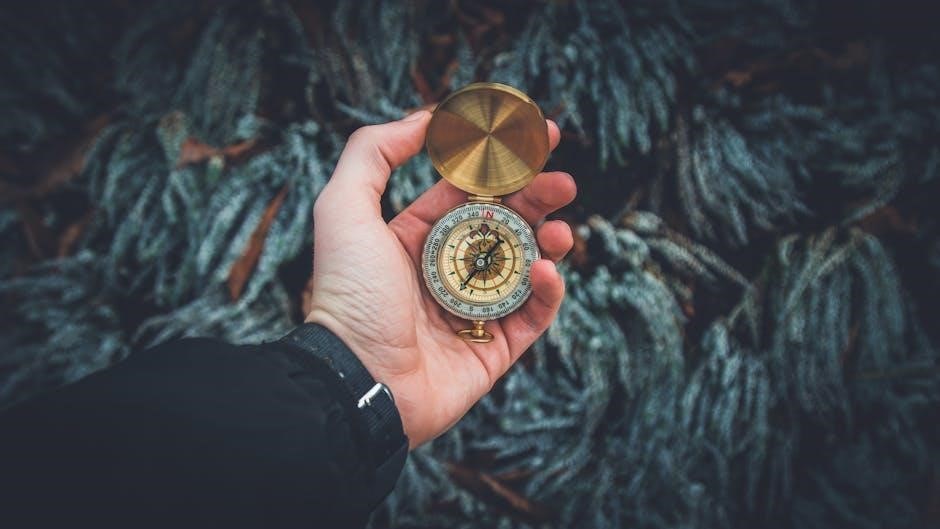
These guides must possess strong navigational skills‚ including map reading and compass use‚ ensuring accurate route-finding. They are also responsible for assessing weather conditions and adapting plans accordingly‚ prioritizing participant safety at all times. Effective communication is paramount‚ providing clear instructions and fostering a positive group dynamic.
Furthermore‚ Hiking and Trekking Guides often act as storytellers‚ weaving historical or cultural narratives into the experience. They ‘guide’ not just feet‚ but also minds‚ enriching the journey with context and meaning. Their expertise transforms a simple walk into an immersive and educational adventure.
Mountaineering Guides
Mountaineering Guides represent the highest echelon of ‘guiding’ expertise‚ demanding exceptional technical skills and a profound understanding of alpine environments. Unlike simple trail leadership‚ their role involves navigating complex terrain – glaciers‚ rock faces‚ and snowfields – often requiring rope work‚ ice axe techniques‚ and crevasse rescue proficiency;
These guides are responsible for assessing avalanche risk‚ interpreting weather patterns‚ and making critical decisions under pressure. They ‘guide’ clients not only up the mountain but also through potential hazards‚ ensuring their safety with meticulous planning and execution. A deep knowledge of physiology and altitude sickness is crucial.
Beyond technical prowess‚ Mountaineering Guides must possess strong leadership qualities and the ability to inspire confidence in their clients. They ‘guide’ individuals to push their limits‚ fostering a sense of accomplishment while maintaining a steadfast commitment to risk management and responsible mountaineering practices.
Wildlife Guiding
Wildlife Guiding centers around expertly ‘guiding’ individuals through natural habitats to observe animals in their native environments. This specialized form of ‘guiding’ demands extensive knowledge of local flora and fauna‚ animal behavior‚ and ecological principles. Guides must be adept at identifying species‚ interpreting tracks and signs‚ and understanding the delicate balance of ecosystems.
Effective Wildlife Guides ‘guide’ visitors with respect for the animals and their habitats‚ promoting responsible wildlife viewing practices. They emphasize minimal disturbance and educate clients about conservation efforts. Skills include using binoculars and spotting scopes‚ and often‚ understanding animal vocalizations.
Beyond identification‚ these guides ‘guide’ narratives about animal life histories‚ adaptations‚ and the challenges they face. They act as interpreters of the natural world‚ fostering appreciation and inspiring conservation action‚ ensuring a safe and enriching experience for all involved.
Cultural and Historical Guiding
Cultural and Historical Guiding involves expertly ‘guiding’ individuals through places rich in heritage and tradition. This specialized form of ‘guiding’ requires a deep understanding of history‚ art‚ architecture‚ and local customs. Guides act as storytellers‚ bringing the past to life and providing context to present-day experiences.
Effective Cultural Guides ‘guide’ visitors beyond mere sightseeing‚ offering insightful narratives and interpretations of significant landmarks and events. They connect historical facts with cultural nuances‚ fostering a deeper appreciation for the human experience. The ability to ‘guide’ engaging discussions and answer questions is crucial.
Whether ‘guiding’ through ancient ruins‚ bustling city centers‚ or sacred sites‚ these professionals ensure a respectful and informative journey. They bridge the gap between visitors and the cultural landscape‚ promoting understanding and preserving heritage for future generations.
City Tour Guides
City Tour Guides expertly ‘guide’ visitors through the urban landscape‚ acting as narrators of a city’s vibrant history and contemporary life. They ‘guide’ groups‚ offering curated experiences that showcase architectural landmarks‚ cultural hotspots‚ and hidden gems. This role demands strong communication skills and the ability to ‘guide’ diverse audiences.
Effective City Guides don’t simply point out sights; they ‘guide’ guests through compelling stories‚ revealing the city’s unique character and evolution. They ‘guide’ explorations of local neighborhoods‚ providing insights into the city’s social fabric and daily rhythms. Their expertise extends to practical information‚ ‘guiding’ visitors with recommendations for dining‚ shopping‚ and entertainment.
A successful City Tour Guide ‘guides’ a memorable and enriching experience‚ fostering a deeper connection between visitors and the urban environment. They are ambassadors of their city‚ promoting its charm and cultural significance.
Museum Guides
Museum Guides skillfully ‘guide’ visitors through collections‚ transforming artifacts into compelling narratives. They ‘guide’ audiences of all ages and backgrounds‚ offering insights into art‚ history‚ and culture. This role necessitates a deep understanding of the museum’s holdings and the ability to ‘guide’ interpretation effectively.
Effective Museum Guides don’t merely present facts; they ‘guide’ guests towards a deeper appreciation of the artwork or historical context. They ‘guide’ explorations of individual pieces‚ revealing hidden details and artistic techniques. Their expertise extends to answering questions and fostering engaging discussions‚ ‘guiding’ a richer understanding.
A successful Museum Guide ‘guides’ a meaningful and educational experience‚ connecting visitors with the past and inspiring curiosity. They are custodians of cultural heritage‚ promoting accessibility and appreciation.
Historical Site Guides
Historical Site Guides expertly ‘guide’ visitors through the annals of time‚ bringing the past to life. They ‘guide’ explorations of significant locations‚ offering detailed accounts of events and the people who shaped them. This role demands a thorough knowledge of the site’s history and the ability to ‘guide’ understanding through storytelling.
Effective Historical Site Guides don’t simply recite dates; they ‘guide’ guests towards a deeper connection with the past‚ revealing the human stories behind the monuments. They ‘guide’ interpretations of archaeological findings and architectural details‚ fostering a sense of place. Their expertise extends to answering questions and addressing diverse perspectives‚ ‘guiding’ informed discussions.
A successful Historical Site Guide ‘guides’ a memorable and educational experience‚ preserving cultural heritage and inspiring a sense of historical awareness.
Specialized Guiding

Specialized Guiding represents a focused application of the core ‘guide’ principle‚ catering to niche interests and demanding specific expertise. These guides ‘guide’ clients through unique experiences‚ requiring in-depth knowledge beyond general tourism. They ‘guide’ individuals with tailored instruction and safety protocols‚ ensuring a successful and enjoyable venture.
Whether it’s ‘guiding’ anglers to prime fishing spots‚ ‘guiding’ hunters through wilderness terrain‚ or ‘guiding’ adventure seekers on thrilling expeditions‚ specialized guides ‘guide’ with precision. Their role extends beyond mere direction; they ‘guide’ skill development and risk management. They ‘guide’ clients towards achieving specific goals within their chosen activity.
This form of ‘guiding’ emphasizes expertise‚ safety‚ and a personalized approach‚ offering immersive experiences for dedicated enthusiasts.
Fishing Guides
Fishing Guides embody the essence of ‘guiding’ by expertly leading clients to successful angling experiences. They ‘guide’ individuals to prime fishing locations‚ utilizing their intimate knowledge of local waters‚ fish behavior‚ and optimal techniques. Beyond simply pointing the way‚ they ‘guide’ anglers in selecting appropriate tackle and mastering casting methods.
A skilled fishing ‘guide’ doesn’t just locate fish; they ‘guide’ clients through the entire process‚ from bait selection to landing the catch. Safety is paramount‚ and they ‘guide’ clients on responsible fishing practices and boat etiquette. They ‘guide’ beginners with patient instruction and offer advanced strategies to seasoned anglers.
Essentially‚ a fishing ‘guide’ transforms a potential fishing trip into a rewarding and educational adventure‚ ‘guiding’ clients towards a memorable experience on the water.
Hunting Guides
Hunting Guides represent a specialized form of ‘guiding’‚ demanding extensive knowledge of wildlife‚ terrain‚ and hunting regulations. They ‘guide’ clients through the complexities of a successful and ethical hunt‚ acting as experts in tracking‚ scouting‚ and game identification. Their role extends beyond simply leading the way; they ‘guide’ hunters in understanding animal behavior and employing appropriate hunting strategies.
A proficient hunting ‘guide’ prioritizes safety‚ meticulously ‘guiding’ clients on firearm handling‚ wilderness survival‚ and responsible hunting practices. They ‘guide’ hunters in adhering to legal requirements and ethical considerations‚ ensuring a fair chase. They ‘guide’ both novice and experienced hunters‚ offering tailored instruction and support.
Ultimately‚ a hunting ‘guide’ facilitates a challenging yet rewarding experience‚ ‘guiding’ clients towards a deeper connection with the natural world and a successful hunt.
Adventure Tourism Guides
Adventure Tourism Guides embody the essence of ‘guiding’ in dynamic and often challenging environments. They ‘guide’ participants through experiences like whitewater rafting‚ rock climbing‚ or zip-lining‚ requiring a unique blend of technical skill and interpersonal expertise. Their role extends beyond mere direction; they ‘guide’ individuals towards pushing their boundaries in a safe and controlled manner.
A skilled adventure ‘guide’ prioritizes risk management‚ meticulously ‘guiding’ clients through safety briefings‚ equipment checks‚ and emergency procedures. They ‘guide’ participants in mastering necessary techniques‚ fostering confidence and competence. They ‘guide’ groups of varying skill levels‚ adapting their approach to ensure inclusivity and enjoyment.
Ultimately‚ an adventure tourism ‘guide’ facilitates transformative experiences‚ ‘guiding’ clients towards personal growth and a deeper appreciation for the outdoors.
Skills and Qualities of a Guide
Effective guiding demands a diverse skillset – from ‘guiding’ with clear communication to adept problem-solving. A successful ‘guide’ expertly blends hard and soft skills.
Technical expertise‚ coupled with leadership‚ ensures safe and enriching experiences for those being ‘guided’.
Essential Hard Skills
Guiding‚ at its core‚ necessitates a robust foundation of practical‚ demonstrable abilities – the ‘hard skills’ crucial for safety and successful execution. Foremost among these is proficiency in First Aid and Emergency Response. A guide must be prepared to handle medical situations‚ ranging from minor injuries to life-threatening emergencies‚ requiring current certification and practical experience.
Equally vital is mastery of Navigation and Map Reading. While modern technology offers assistance‚ reliance solely on digital tools is unwise. A skilled guide can confidently navigate using traditional methods‚ understanding topographical maps‚ compass bearings‚ and recognizing terrain features. This skill is paramount‚ especially in remote locations where technology may fail.
Finally‚ Technical Skills are intrinsically linked to the specific type of guiding undertaken. A mountaineering guide requires rope work expertise‚ glacier travel knowledge‚ and avalanche safety training. A fishing guide needs boat handling skills‚ knowledge of local fisheries‚ and proficiency in various fishing techniques. These specialized skills are non-negotiable for responsible and effective guiding.
First Aid and Emergency Response
For any guide‚ comprehensive First Aid and Emergency Response training isn’t merely beneficial – it’s fundamentally essential. The role demands preparedness for a spectrum of medical incidents‚ from commonplace sprains and blisters to potentially life-threatening situations like fractures‚ hypothermia‚ or allergic reactions.

Current certification in Wilderness First Aid (WFA)‚ Wilderness First Responder (WFR)‚ or equivalent is paramount‚ alongside regular refresher courses. Beyond certification‚ practical experience through realistic scenario training is crucial. A guide must be capable of rapid assessment‚ stabilization‚ and evacuation planning.
Understanding local emergency protocols‚ including communication methods and access to medical facilities‚ is also vital. Proactive risk management‚ including hazard identification and mitigation‚ forms a key component of responsible guiding. Ultimately‚ a guide’s ability to effectively respond to emergencies can be the difference between a minor incident and a tragedy.
Navigation and Map Reading
Proficiency in Navigation and Map Reading is a cornerstone skill for any effective guide. While modern technology offers assistance‚ reliance solely on GPS is imprudent; a guide must be adept at traditional methods. This includes interpreting topographic maps‚ understanding contour lines‚ and accurately determining location using a compass.
Beyond basic skills‚ advanced techniques like route planning‚ dead reckoning‚ and utilizing natural navigation cues are invaluable. The ability to create and follow a detailed route card‚ accounting for terrain‚ weather‚ and group capabilities‚ is essential. A skilled guide can confidently navigate in challenging conditions‚ even without electronic aids.
Regular practice and map updates are crucial to maintain proficiency. Furthermore‚ understanding coordinate systems (like UTM) and the principles of declination ensures accurate positioning. Ultimately‚ strong navigational skills contribute significantly to safety and a successful guiding experience.
Technical Skills (Specific to Guiding Type)
Technical Skills for a guide are heavily dependent on the specialization. A mountaineering guide requires rope work expertise‚ glacier travel techniques‚ and crevasse rescue proficiency. Conversely‚ a fishing guide needs boat handling skills‚ knowledge of local fish species‚ and fly-fishing or baitcasting techniques.
Wildlife guides benefit from animal tracking abilities‚ species identification expertise‚ and understanding of animal behavior. Cultural guides may need fluency in relevant languages and knowledge of historical preservation techniques. Adventure tourism guides often require skills in rock climbing‚ kayaking‚ or other specialized activities.

Regardless of the field‚ ongoing training and certifications are vital. Maintaining equipment‚ understanding safety protocols specific to the activity‚ and adapting skills to varying conditions are paramount. A competent guide continuously refines their technical abilities to ensure client safety and an enriching experience.
Important Soft Skills
Beyond technical expertise‚ a successful guide relies heavily on soft skills. Effective communication is crucial – conveying information clearly‚ actively listening to concerns‚ and adapting messaging to diverse audiences. Strong interpersonal skills foster rapport‚ build trust‚ and create a positive group dynamic.
Problem-solving and quick decision-making are essential when unexpected challenges arise‚ requiring calm assessment and resourceful solutions. Leadership isn’t about control‚ but about inspiring confidence‚ motivating participants‚ and ensuring everyone feels safe and included.
Effective group management involves anticipating needs‚ mediating conflicts‚ and maintaining a harmonious atmosphere. Empathy‚ patience‚ and a genuine passion for sharing knowledge further enhance the guiding experience. These skills transform a competent leader into an exceptional guide.
Communication and Interpersonal Skills
For a guide‚ masterful communication transcends simply imparting information; it’s about connection. Clearly conveying instructions‚ historical context‚ or safety protocols is paramount‚ but equally vital is the ability to adapt your message to varied comprehension levels and cultural backgrounds.
Interpersonal skills build rapport and trust. Active listening – truly hearing and acknowledging participant concerns – fosters a positive dynamic. A guide must be approachable‚ empathetic‚ and capable of diffusing tension.
Non-verbal cues are also key; maintaining eye contact‚ using positive body language‚ and projecting enthusiasm enhance engagement. Effective guides are storytellers‚ weaving narratives that captivate and educate‚ creating memorable experiences through skillful interaction.
Problem-Solving and Decision-Making
A successful guide isn’t merely a source of information‚ but a proactive problem-solver. Unexpected situations – weather changes‚ minor injuries‚ logistical hiccups – are inevitable. The ability to quickly assess a situation‚ identify potential solutions‚ and make sound decisions under pressure is crucial.
Effective decision-making requires a calm demeanor and a systematic approach. Guides must weigh risks and benefits‚ considering the safety and well-being of the group. Prioritization is key; addressing immediate threats before tackling less urgent issues.
Resourcefulness and adaptability are also vital. A guide should be able to improvise solutions using available resources‚ demonstrating creativity and resilience. Clear communication of decisions and rationale builds trust and ensures group cooperation during challenging moments.
Leadership and Group Management
Effective guiding demands strong leadership skills. A guide isn’t simply ‘showing the way’; they are responsible for the overall experience and safety of the group. This involves setting a positive tone‚ fostering a sense of camaraderie‚ and ensuring everyone feels included and supported.
Successful group management requires clear communication of expectations‚ boundaries‚ and safety protocols. A good leader anticipates potential issues and proactively addresses them‚ preventing conflicts and maintaining a smooth flow.
Adaptability is crucial – recognizing different personalities and adjusting leadership style accordingly. Encouraging participation‚ delegating tasks appropriately‚ and providing constructive feedback all contribute to a positive and productive group dynamic. Ultimately‚ a guide’s leadership inspires confidence and enhances the overall experience.
The Future of Guiding
Guiding evolves with technology‚ demanding sustainable practices and adaptation. Emerging trends necessitate skilled guides who embrace innovation while prioritizing responsible tourism and safety.
Technological Advancements in Guiding
Guiding is undergoing a significant transformation fueled by technological innovation. Modern guides are increasingly utilizing digital tools to enhance the experience and safety of their tours. Smartphones and tablets provide instant access to maps‚ weather updates‚ and detailed information about points of interest‚ moving beyond traditional map reading.
GPS technology ensures accurate navigation‚ particularly crucial in remote areas‚ while specialized apps offer augmented reality experiences‚ overlaying digital information onto the real world. Online platforms facilitate booking‚ communication‚ and feedback collection‚ streamlining operations and improving customer service.
Furthermore‚ drones are being employed for aerial photography and videography‚ providing unique perspectives and promotional material. The ability to check YouTube video resolution and recommended speeds demonstrates the importance of optimized digital content delivery. These advancements empower guides to deliver more informative‚ engaging‚ and personalized experiences‚ while also improving efficiency and safety protocols.
Sustainable and Responsible Guiding Practices
Guiding now increasingly emphasizes environmental and cultural responsibility. Sustainable practices aim to minimize the negative impacts of tourism‚ preserving natural resources and respecting local communities. Responsible guides educate clients about the importance of conservation‚ promoting ethical interactions with wildlife and fragile ecosystems.
This includes advocating for “leave no trace” principles‚ supporting local businesses‚ and respecting cultural sensitivities. Guides are becoming advocates for responsible travel‚ encouraging clients to make informed choices that benefit both the environment and the communities they visit.
The concept extends to minimizing carbon footprints through efficient transportation and promoting eco-friendly accommodations. By embracing these practices‚ guides contribute to the long-term viability of the destinations they showcase‚ ensuring future generations can enjoy their beauty and cultural richness. This aligns with a growing global awareness of the need for sustainable tourism.
Emerging Trends in the Guiding Industry
Guiding is experiencing a shift driven by technology and evolving client expectations. Personalized experiences are gaining prominence‚ with guides tailoring tours to individual interests and preferences. Digital tools‚ like interactive maps and augmented reality‚ are enhancing the guiding experience‚ providing richer information and immersive storytelling.
Niche guiding services are also on the rise‚ catering to specialized interests such as photography‚ birdwatching‚ or culinary adventures. The demand for authentic cultural immersion is increasing‚ leading to guides focusing on local traditions and community engagement.
Furthermore‚ remote guiding and virtual tours are emerging‚ expanding access to destinations and experiences. Guides are adapting by utilizing platforms like YouTube Studio to create content and connect with wider audiences. This trend necessitates continuous professional development‚ embracing new technologies and sustainable practices to remain competitive.